From World Cup to Comic-Con: A Geo-Fencing Strategy for Summer's Biggest Events
Reaching the Right People Around Summer 2026's Biggest Events with Geo-Fencing and Event Targeting
Writer: Weston Wheeler
Date: May 21, 2026
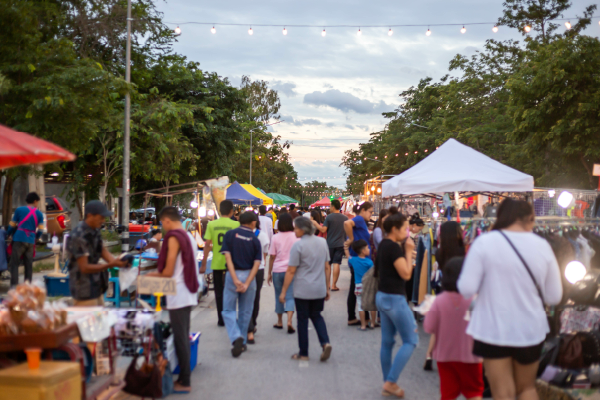
Summer is right around the corner, bringing longer days, packed calendars, and plenty of reasons for people to gather around the events they care about most.
This summer, these big moments arrive at an extraordinary scale. The FIFA World Cup 2026 will bring international soccer to U.S. cities at a scale not seen in decades. America’s 250th anniversary will spark celebrations in communities from coast to coast. Fan conventions like San Diego Comic-Con will draw hundreds of thousands of passionate fans. And music festivals like Lollapalooza will attract avid fans with multi-day crowds.
For advertisers, each of these events creates something valuable: people gathering in specific physical places around moments they care about. Stadiums, parks, downtown districts, convention centers, hotels, and restaurants will all see concentrated activity throughout the summer. Simpli.fi’s Geo-Fencing and Event Targeting solutions enable advertisers to build campaigns around the places where audiences are engaging, reaching people with greater relevance before, during, and after each event.
The World Cup: Geo-Fencing a Global Event Across Multiple Local Markets
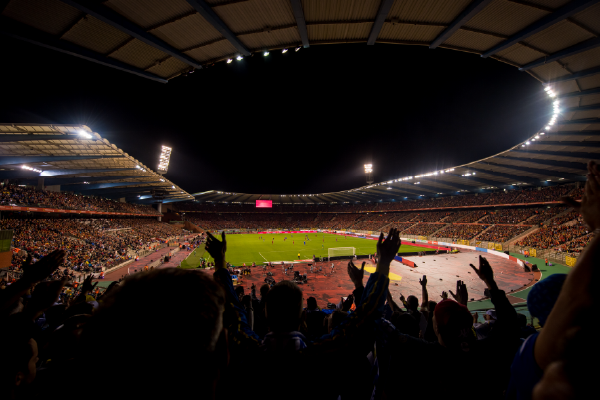
Few events match the scale and duration of the FIFA World Cup 2026—a weeks-long tournament spread across multiple U.S. host cities, drawing an international audience that will travel from around the world to be part of it.
Host cities won’t just feel the energy on match days: for the duration of the tournament, these cities will function differently. Downtown districts will fill with avid fans. Hotels will operate at capacity for weeks. Restaurants and sports bars will become gathering points for fans who didn’t get tickets but still want to be part of the atmosphere. Transit corridors will move more people than usual. The entire entertainment ecosystem surrounding each stadium will stay active between matches.
That sustained, city-wide activity is what makes the World Cup a different kind of opportunity for advertisers. It isn’t a single event to activate around: it’s an extended window where large, engaged audiences are moving through specific parts of numerous cities, day after day.
Geo-Fencing and Event Targeting are uniquely suited to a sustained, widespread event like this. Advertisers can build campaigns around the specific places where fans are spending time—stadiums, fan zones, hotel corridors, sports bars, retail areas, transit hubs—and align delivery to the match schedule so spend is concentrated when engagement is highest. This approach captures both the geographic spread of a tournament like this at a localized level and the time-based precision that matches windows with demand. Post-event retargeting and foot traffic attribution extend that value further, helping brands stay present after each match and connect digital campaigns to real-world outcomes.
For brands operating across multiple markets, the World Cup offers a structured, weeks-long opportunity to reach highly engaged audiences in each host city.
America’s 250th: Event Targeting a National Milestone at the Local Level
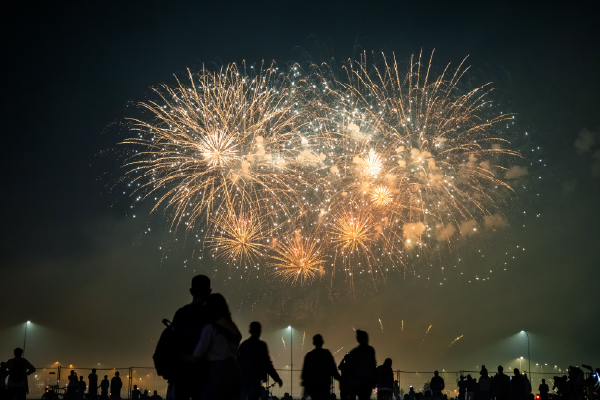
America’s 250th anniversary is a national moment, but it won’t be experienced that way. It will be celebrated in backyards, at neighborhood parades, in downtown parks, and at community fireworks shows happening simultaneously across thousands of cities and towns. July 4th is the centerpiece, but activities will stretch across the entire summer through festivals, historic site events, and community moments.
For advertisers, that national/local dichotomy is both the opportunity and the challenge. The audiences are out there, gathering in specific places, at specific times, in markets large and small, but reaching them meaningfully requires local precision, not broad national messaging.
This is where Event Targeting is perfectly matched to the moment. Celebrations like these are defined by their schedules: a fireworks show has a start time, a parade has a route, a festival has a weekend. That structure gives advertisers something concrete to build around. Brands can reach people who are present in specific locations during specific celebration windows, down to the hour, ensuring delivery is aligned with what audiences are actually experiencing rather than running generic creative throughout the day.
Post-event retargeting keeps that connection going. After a community celebration, the summer mindset tends to carry into the days that follow, and brands that stay present during that window can reach audiences when seasonal intent is still high.
Music Festivals: Event Targeting and Geo-Fencing Across the Full Audience Journey
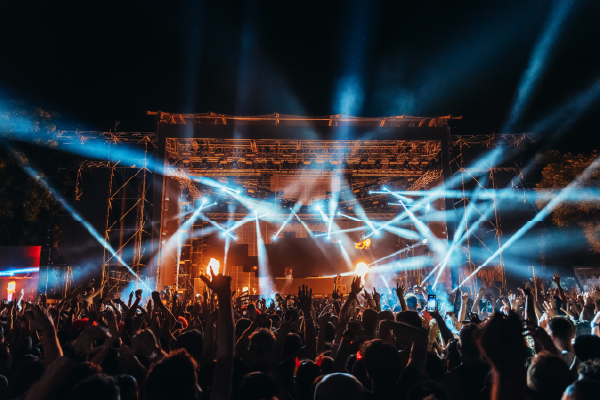
Music festivals like Lollapalooza are multi-day experiences that begin before attendees arrive and continue well after they leave. People travel in, stay for several days, and carry that experience with them once they return home.
In the days leading up to a festival, audiences are already in motion. They’re booking hotels, traveling through airports, and spending time in nearby restaurants and retail areas. During the event, activity centers around festival grounds, but it quickly expands outward to include transit stops, rideshare zones, bars, and afterparties. After the festival ends, that audience disperses geographically, but their engagement with the experience doesn’t disappear.
This extended timeline is what makes music festivals especially well-suited for Geo-Fencing and Event Targeting. Advertisers can define the full footprint of the festival environment, from arrival points to surrounding neighborhoods, and align delivery to key windows throughout the event. Event Targeting ensures campaigns reach people during specific days and times when they’re actively participating, rather than relying on broader assumptions about attendance.
The real advantage, though, comes after the event. Because attendees can be retargeted for up to 30 days after leaving a geo-fenced location, advertisers can continue reaching that same audience well beyond the festival weekend. Someone who attended Lollapalooza in Chicago can be reached days later when they’re back home in another state, creating a rare opportunity to extend a location-based campaign into a longer-term engagement strategy.
That continuity opens the door for more thoughtful messaging. Brands can shift from in-the-moment awareness to follow-up offers, future event promotion, or deeper brand storytelling once the immediate experience has passed. Channels like audio, streaming TV advertising, video, and Google Search can support that transition, reinforcing messaging across the platforms audiences naturally return to after the event.
For advertisers, music festivals offer something more than concentrated attention. They offer a defined audience journey with a clear beginning, middle, and extended afterlife. Geo-Fencing and Event Targeting make it possible to stay connected across all of it.
Comic-Con and Fan Conventions: Geo-Fencing Passionate Audiences in Context
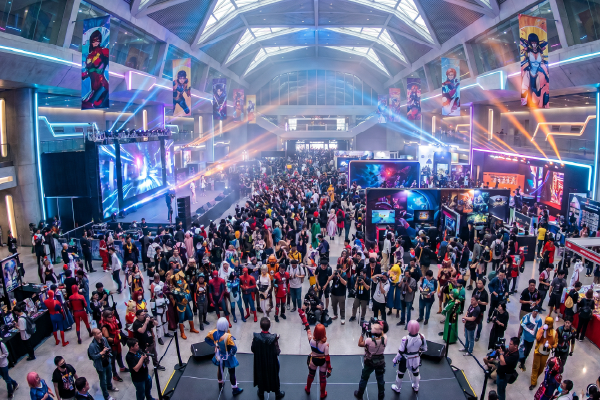
San Diego Comic-Con is among the most recognizable fan events in the world, but it represents a much larger category. Comic cons, gaming conventions, and countless other fan festivals take place in cities across the country each summer, each drawing dedicated audiences that have planned, traveled, and invested in the experience.
What makes these events particularly useful for location-based advertising is the depth of engagement. Convention attendees arrive with an established, clearly defined interest in specific properties, brands, and content. The environment around each event reflects that energy—hotels at capacity, nearby restaurants filled with fans, pop-up activations running throughout surrounding blocks, and local retail areas seeing sustained traffic.
Geo-Fencing enables advertisers to build campaigns around the full convention footprint. Beyond the exhibit hall itself, brands can create custom zones around hotels, entertainment districts, restaurants, theaters, and the retail corridors where attendees spend time throughout the event. An entertainment brand promoting a new release could geo-fence the convention center and surrounding neighborhood, reaching fans as they move through the broader area across all days.
Event Targeting aligns delivery with key convention windows. Opening day, major panel announcements, and peak weekend attendance each present distinct moments to reach audiences when they’re most engaged. A game publisher, film studio, or entertainment brand can time campaigns to reach the most relevant people during the hours that matter most.
Afterward, post-event retargeting is a natural extension for these marketing efforts. Fan convention attendees tend to stay engaged with the content, brands, and experiences they encountered during the event. Retargeting them after a convention allows brands to follow up on the interest they established in person.
For brands in entertainment, retail, media, and hospitality, fan conventions offer a focused, passionate audience. Location-based advertising makes it possible to reach those people in the context where they’re already most engaged.
Every Summer Event Starts With Where Audiences Gather
Major summer events differ in audience, scale, and geography, but they all bring people together in specific places around moments they care deeply about. That physical concentration is what creates the opportunity.
Geo-Fencing and Event Targeting help advertisers reach those audiences with greater precision, align messaging with event context, and extend engagement well after the final day. Whether you’re a national brand activating across multiple host cities, a local business targeting a neighborhood celebration, or a regional advertiser building campaigns around a multi-day festival, reaching people based on where they gather is one of the most effective strategies available this summer.
Ready to reach audiences around summer’s biggest events? Reach out to us at hi@simpli.fi and start meeting your most engaged audiences.
 | Weston Wheeler
Sr. Content Marketing Manager | Simpli.fi Weston Wheeler is a strategic content marketing leader with roots in educational leadership and creative writing, fields that continue to shape his thoughtful, narrative-driven approach to brand storytelling. As Senior Manager of Content Marketing at Simpli.fi, he blends analytical insight with creative execution to craft compelling content that resonates across channels. With deep experience in digital advertising and a track record of success partnering with global agencies and brands, Weston endeavors to bring precision, empathy, and innovation to every project. |