How the Modern Marketing Funnel Works: Rethinking Awareness, Consideration, Conversion & Loyalty
Writer: Weston Wheeler
Date: November 20, 2025
Introduction: The Funnel Reimagined
For decades, marketers relied on a familiar roadmap: build awareness, spark interest, drive a conversion, and earn loyalty. The funnel was simple, linear, and easy to visualize.
But the way people engage with brands has changed. Consumers now toggle between screens, bounce between platforms, and make decisions on their own timeline. The funnel hasn’t disappeared — it’s just evolved.
Today, every stage of the funnel is shaped by real-time data, audience measurement, and omnichannel media. And for marketers, that means more opportunities to guide potential customers with precision — not just at one stage, but across the full customer journey.
Let’s look at how each part of the funnel has evolved— and why those changes make it more effective than ever.

Awareness: Precision at Scale with CTV, DOOH, and More
Top-of-funnel campaigns once relied on broadcast TV, static billboards, and other one-to-many channels with limited control over who saw the message. You could certainly generate reach — but relevance was anyone’s guess.
Today’s awareness efforts are built differently. Thanks to the rise of options such as programmatic Connected TV (CTV) and Digital Out-of-Home (DOOH), advertisers can now deliver premium, high-visibility messaging with local relevance and data-driven precision.
This shift isn’t just about newer channels — it’s about smarter ones. With streaming advertising, for example, marketers can reach viewers on the biggest screen in the house with the precision and trackability that only programmatic advertising can provide. With addressable marketing, they can choose which households see the ad based on location, demographics, or interests. These audience signals allow advertisers to combine brand reach with geographic relevance.
The same principle applies to Digital Out-of-Home (DOOH). Whether it’s a digital screen outside a gym or on the path to purchase near a retail location, DOOH allows brands to deliver contextually relevant messaging to high-traffic areas — all while maintaining the scale and impact of traditional awareness tactics. When executed programmatically, DOOH becomes not just a visibility play, but a precise, locally relevant channel that enhances upper-funnel strategy.
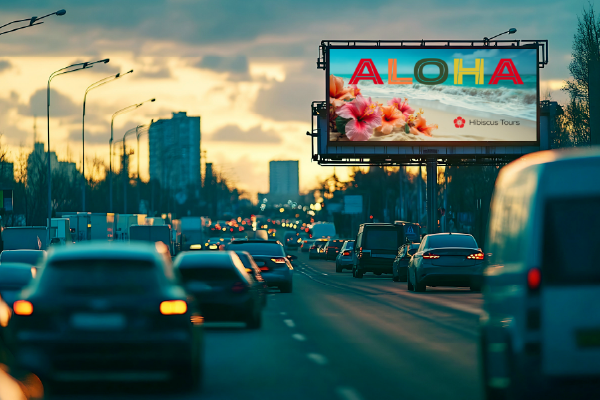
Funnel in action: A national fitness brand is planning to launch a line of smartwatches and are looking to boost awareness. They begin by promoting the product through high-impact streaming TV ads, targeting health-conscious households within ZIP codes near their retail partners. These ads are paired with localized DOOH placements outside gyms, running trails, and nutrition stores — maximizing visibility among active consumers. The messaging is consistent, memorable, and geo-optimized for relevance, establishing a strong brand presence at the top of the funnel.
Consideration: From Broad Demographics to Intent-Based Targeting
In the past, consideration-stage marketing often felt like guesswork. Brands relied on narrow demographic signals or base-level audience targeting to stay visible after the initial impression. But in a world where buyers are more informed — and inundated with options — the key to standing out is timing.
Modern consideration strategies focus on intent. Brands are targeting users when they’re actively searching for products, comparing options, or engaging with relevant content.

Keyword targeting enables marketers to reach consumers based on the terms they’ve searched or the topics they’re reading about. Contextual targeting places ads alongside relevant content — like reviews or buying guides — capturing attention at the right moment.
With Geo-Fencing, advertisers can reach users based on their real-world movements — targeting individuals who’ve visited competitor locations, relevant retail spaces, or points of interest tied to true purchase intent. This strategy allows marketers to serve timely, location-triggered ads that align with in-the-moment behavior, making it especially effective during the consideration phase. Whether it’s a car shopper walking a dealership lot or a customer browsing a competing storefront, geo-fencing helps brands stay top-of-mind at critical decision points.
Funnel in action: As interest in their new product builds, the fitness brand shifts its strategy to capture in-market intent. They target users searching for terms like “best fitness trackers” or “smartwatch for runners” using keyword search retargeting, and place banner ads within fitness-adjacent content via contextual targeting. Meanwhile, they deploy geo-fencing around gyms and sporting goods stores, engaging fitness enthusiasts. These touchpoints ensure the brand remains top-of-mind as consumers evaluate their options.
Conversion: Cross-Device, Cross-Channel, Connected Customers
When the funnel was simpler, conversion was predominantly the domain of siloed site retargeting and direct-response display. But today’s buyer doesn’t always click straight through to convert. They might view a streaming tv ad, scroll past a retargeted message on social media, and then complete a purchase on mobile days later.
That’s why modern conversion strategies prioritize connected, trackable experiences. With cross-device matching, advertisers can retarget users who’ve visited their site across channels — including display, social, and even streaming TV ads. But beyond this presence, it’s about coordinating the message across those environments. A consistent call-to-action across multiple platforms reinforces brand credibility and keeps purchase decisions moving forward. On the backend, multi-touch attribution allows advertisers to understand how each channel contributes to the final conversion — whether it’s a mobile banner that sparked a return visit, or a CTV ad that delivered the final nudge. These insights inform better budget allocation, tighter creative alignment, and ultimately, stronger performance across the funnel.

This omnichannel approach keeps messaging consistent and ensures that high-intent users stay engaged — no matter where they are in the journey.
Funnel in action: After visiting the product landing page and comparing models, a fitness-focused shopper begins seeing retargeting ads across their devices — from mobile banners to sponsored social media posts. Later that week, they catch another streaming TV ad reinforcing the brand’s offer. The final nudge arrives in the form of a mobile display ad with a limited-time discount, prompting them to complete the purchase via their phone. Throughout the experience, unified cross-channel targeting ensures a cohesive journey from intent to action and multi-touch attribution ensures the entire process is properly attributed, not just the final mobile ad.
Loyalty: Retention as a Growth Engine
In the legacy funnel, loyalty was often an afterthought — little more than an overzealous analysis of email subscriber numbers and your site retargeting pool. Today, retention is treated as a performance strategy that can be activated and optimized.
With modern platforms, brands can identify their most valuable customers and re-engage them across CTV, display, mobile, and more. Loyalty messaging can utilize first-party data and established behaviors, such as specific site interactions, so your communication with your audience is both measurable and meaningful.

Whether you’re managing a multi-location marketing automation strategy or re-engaging subscribers in a national campaign, loyalty is now trackable, personal, and reliable.
Funnel in action: Weeks after purchase, the smartwatch buyer receives a personalized video ad promoting accessories and advanced fitness programs — delivered through CTV and mobile channels using their purchase history. The brand also uses first-party data onboarding to retarget this segment with loyalty incentives, such as referral bonuses and early access to new products. By nurturing this existing customer, the brand boosts lifetime value while efficiently re-engaging them across familiar touchpoints.
Conclusion: Funnel Fluidity Is the New Advantage
The modern funnel isn’t entirely new — it’s just evolved. The stages remain the same, but the way consumers move through them has changed dramatically. From streaming TV and DOOH to mobile search and real-world store visits, today’s buyer journey is fragmented and nonlinear.
Marketers now have more tools, signals, and screens than ever before — but with that complexity comes the need for cohesion. Success no longer comes from optimizing a single channel or tactic in isolation. Instead, it’s about building a connected strategy that aligns awareness, consideration, conversion, and loyalty into one fluid system.
With the right blend of addressable advertising, omnichannel targeting, and real-time data, brands can move beyond impressions and clicks to deliver valuable outcomes at every stage of the journey.
Ready to modernize your funnel with precision, performance, and personalization? Drop us a line at hi@simpli.fi.
 | Weston Wheeler
Sr. Content Marketing Manager | Simpli.fi Weston Wheeler is a strategic content marketing leader with roots in educational leadership and creative writing, fields that continue to shape his thoughtful, narrative-driven approach to brand storytelling. As Senior Manager of Content Marketing at Simpli.fi, he blends analytical insight with creative execution to craft compelling content that resonates across channels. With deep experience in digital advertising and a track record of success partnering with global agencies and brands, Weston endeavors to bring precision, empathy, and innovation to every project. |
Relevant Resources