What Is Hyperlocal Marketing: Meaning, Tactics, and Real-World Results
Effective strategies for reaching audiences where proximity meets intent.
Writer: Luis Reyes
Date: December 29, 2025
Hyperlocal marketing is a strategy that targets consumers in a tightly defined geographic area, often down to a specific ZIP code, neighborhood, or even a single storefront. With Simpli.fi, advertisers can go even further, aligning campaigns to specific business locations using real-time location signals and granular targeting.
The goal is to connect with audiences based on their real-time location and local intent, in order to drive foot traffic, in-store visits, or local conversions.
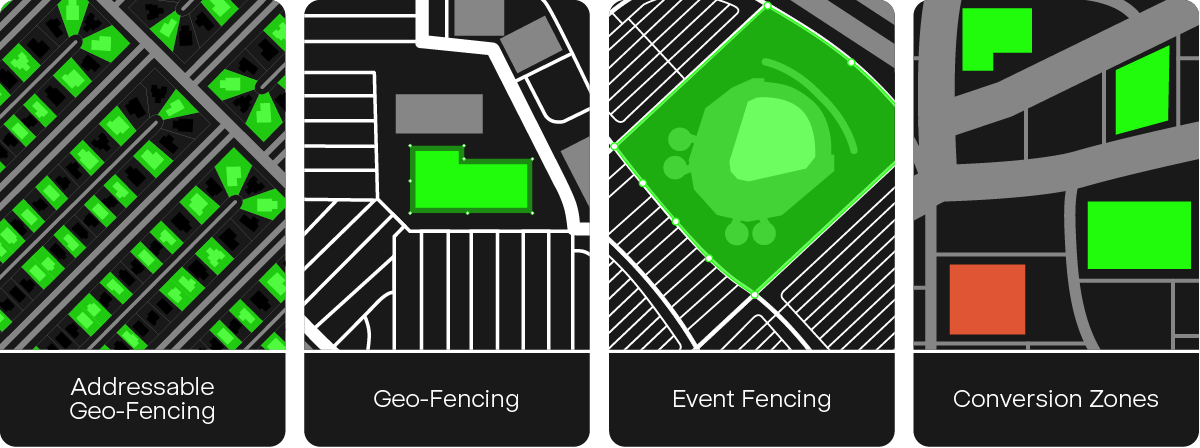
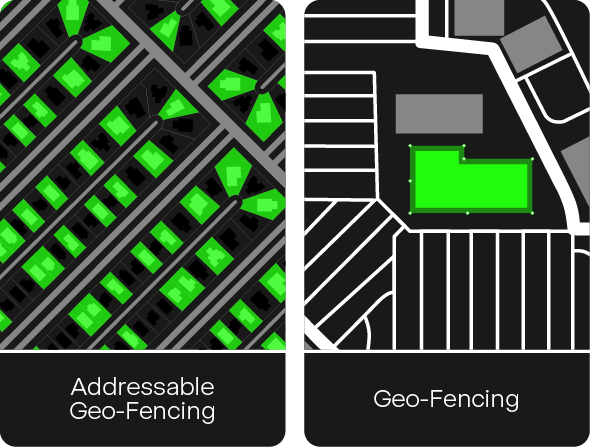
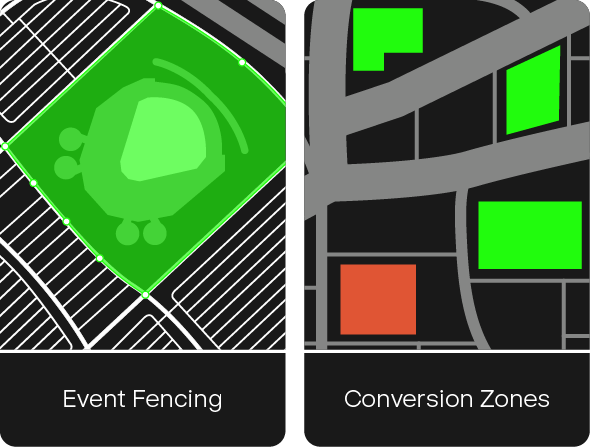
This approach goes beyond “local marketing” by zeroing in on hyper-specific locations to deliver relevant, timely messaging that aligns with local context, consumer behavior, and business goals.
With Simpli.fi’s granular targeting capabilities, advertisers can deliver messaging at the most precise level possible: aligning ads with individual business locations and customer behaviors.
WHY LEADING BRANDS USE HYPERLOCAL MARKETING

Today’s consumers expect relevance, and they expect it right now. Hyperlocal marketing empowers brands to meet that moment with precision, delivering messaging that aligns with both location and intent.
It’s not just about knowing where your customers are, but also knowing when they’re ready to act and delivering a message that drives them to take the next step. From national retailers with local storefronts to service-based businesses targeting a few city blocks, hyperlocal marketing helps brands connect in the moments that matter most.
This strategy unlocks value for marketers who want to:
- Drive foot traffic to brick-and-mortar locations.
- Engage high-intent audiences in specific ZIP codes or neighborhoods.
- Serve contextually relevant ads based on real-time location signals.
- Reduce media waste by excluding out-of-area impressions.
- Leverage Conversion Zones to determine when audiences physically convert back to individual locations of storefronts.
WHAT ARE CONVERSION ZONES?
Conversion Zones are virtual boundaries drawn around an advertiser’s business location via a GPS map. Conversion Zones allow advertisers to track what amount of physical traffic at their location has previously seen one of their ads from visiting another geo-fenced location.
And while the concept is simple, executing it at scale requires the right tools and data.

PROVEN TACTICS FOR SUCCESSFUL HYPERLOCAL CAMPAIGNS
Hyperlocal marketing focuses on reaching consumers in specific geographic areas using tools that help refine both audience and message. Campaigns are often centered around driving real-world results for stores, events, or services that depend on local engagement.
Marketers use a combination of tactics to deliver relevant advertising that connects with the people closest to their business locations. Common methods include:
- Geo-Fencing: Creating digital perimeters around physical locations to serve ads to mobile devices within a defined area. This tactic often includes mobile and location-based ads, which are served in real time based on a user’s proximity to the target area.
- ZIP Code Targeting: Running campaigns focused on designated ZIP codes to tailor messaging to specific communities.
- Addressable Targeting: Reaching individual households or buildings with customized ads based on first-party or location data.
- Localized Creative: Developing ad content that reflects local offers, store hours, promotions, or community-specific messaging.
- Local SEO: Ensuring online listings and business profiles are accurate and optimized for searchers in the immediate area.
Each of these tactics helps brands connect with consumers where they live and make decisions. When used together, they support better campaign performance, stronger relevance, and clearer insights into what drives local results.
WHEN TO USE A HYPERLOCAL STRATEGY
Hyperlocal marketing works best when location directly influences a customer’s decision to engage. If your business has physical locations, serves specific regions, or relies on in-person actions, hyperlocal targeting can help improve relevance and performance.
Common use cases include:
- Promoting a store opening or time-sensitive offer
- Reaching consumers in service areas by ZIP code or radius
- Supporting franchise or multi-location campaigns
- Running regional promotions with creative tailored to the area
- Competing with other businesses in high-density markets
- Encouraging walk-ins, bookings, or same-day visits
This approach helps marketers stay efficient with budget while reaching the people most likely to act.
WHAT’S THE DIFFERENCE BETWEEN HYPERLOCAL MARKETING AND ADVERTISING?
The terms “hyperlocal marketing” and “hyperlocal advertising” are often used interchangeably, but they serve different roles in a campaign. Understanding how they work together can help marketers plan more effective strategies, especially when balancing brand-building with direct response goals.
While both are focused on reaching nearby audiences, marketing takes a broader approach, while advertising is more immediate and tactical. Here’s how they compare:
Hyperlocal Marketing vs. Hyperlocal Advertising:
| Aspect | Hyperlocal Marketing | Hyperlocal Advertising |
|---|---|---|
| Definition | A broader strategy to reach local audiences through both paid and organic channels | A paid media tactic that delivers ads within specific geographic areas |
| Channels | SEO, content marketing, social media, local events, digital ads | Display, mobile, video, connected TV, streaming TV |
| Purpose | Build awareness, engage local audiences, and support location-specific goals | Drive measurable actions like store visits, bookings, or conversions |
| Scope | Includes multiple touchpoints across the customer journey | Focuses on targeted ad delivery based on location data |
| Use Case | Ongoing engagement with a community or neighborhood | Delivering ads to consumers near a store, event, or defined boundary |
Both tactics are often used together. Marketing sets the foundation by building trust and relevance in a specific area. Advertising then reinforces that message with timely, action-oriented campaigns that deliver direct results.
When combined, hyperlocal marketing and advertising can support everything from brand visibility to foot traffic, all while helping marketers connect strategy with outcomes at the local level.
HOW SIMPLI.FI SUPPORTS HYPERLOCAL CAMPAIGNS
Hyperlocal marketing works best when you have tools that let you control where your ads appear, who sees them, and how performance is measured. That’s where Simpli.fi delivers value.
Our platform is built for marketers who need local precision with national scale. Whether you’re managing campaigns for one location or hundreds, we provide the tools to reach nearby consumers, track results, and optimize based on what’s working.
Simpli.fi supports hyperlocal campaigns with features like:
- Addressable Geo-Fencing: Reach individual households or business locations with tailored messaging.
- Event Targeting: Deliver ads around key local activities like grand openings, seasonal events, or promotions.
- Conversion Zones: Measure real-world actions, such as visits to a store or service location.
- Cross-Channel Activation: Run localized campaigns across mobile, display, CTV, and Streaming TV.
- Custom Reporting: Get visibility into what’s driving performance at the ZIP code, store, or regional level.
Marketers using Simpli.fi can build campaigns that are locally relevant, easy to manage, and built to scale — without sacrificing precision or insight.
Want to see how these tactics work in the field?
Read how Simpli.fi powers hyperlocal advertising from neighborhood to nationwide.
Ready to Put Hyperlocal Into Action?
Whether you’re running campaigns for one location or hundreds, Simpli.fi gives you the tools to plan, launch, and measure hyperlocal strategies with precision.
Explore our location-based solutions
 | Luis Reyes
Sr. Manager of Content Marketing | Simpli.fi Luis Reyes is a dynamic leader in content marketing, recognized for strategically elevating brand presence and driving impactful results. As the Senior Manager of Content Marketing at Simpli.fi, he leverages extensive expertise gained from previous roles, including Senior Client Success Manager for national advertising agencies and enterprise clients, Marketing Content Creator at a leading healthcare services provider, focusing on brand mergers and project management, and Sales Account Manager at a prominent digital marketing firm, where he secured and managed national and regional digital marketing campaigns along with creative work. His diverse experience and forward-focused approach solidify his status as an authority in today’s competitive marketing landscape. |
Relevant Resources